Choosing the Right Quad Bike Desert Safari in Dubai
Start with the kind of ride you actually want
Before comparing packages or timings, decide what you want from the ride. A quad bike desert safari dubai can feel very different depending on the pace, terrain and amount of guidance. Some riders want a short, steady outing over open sand. Others want a longer route with rolling dunes, photo stops and a sunset setting. The right choice depends less on the name of the trip and more on how the ride is paced.
Think about who is riding. A solo rider with confidence may enjoy a more open route, while a first-timer may prefer a calm briefing, a guided trail and fewer high-speed sections. If children or less experienced riders are involved, look for options that clearly separate beginner riding from advanced dune driving. Avoid anything that sounds vague about skill levels, because a mismatch can turn a fun outing into a tense one.
Comfort matters too. Sitting on a quad bike for a long stretch in hot sand is tiring, so consider the time of day and the length of the ride. Morning light is often softer and temperatures are usually more manageable. Later rides may offer better colors and sunset timing, but the desert sand temperature can still feel intense in warm months. Choose a slot that suits your tolerance for heat, dust and bright sun.
Check the riding conditions, not just the scenery
Dubai desert terrain changes quickly. One section may be firm and flat, while another may have soft sand, a sharp sand dune gradient or hidden dips. A good safari plan takes these conditions into account instead of simply promising dramatic views. Ask whether the route follows established tracks, how much of the ride is off-road and whether the pace changes for different terrain.
Guided riding is worth close attention. The guide should set a pace that keeps the group together, explain hand signals and give clear instructions before the bikes move. This is especially useful for riders who have not handled ATV throttle control before. Throttle response on sand can feel different from riding on a hard surface, and too much speed in soft sand can make steering harder. A well-run ride gives riders room to settle in before tackling trickier ground.
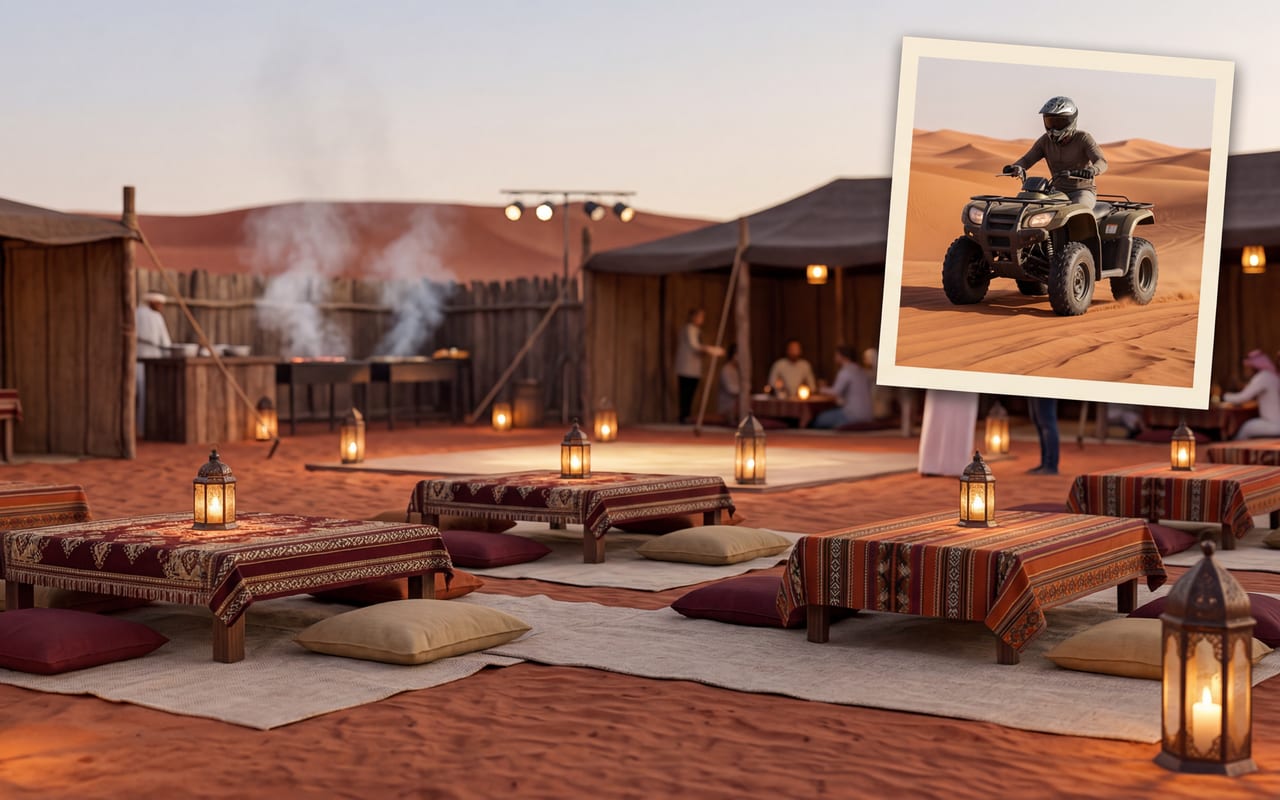
Weather is another practical point. Wind can lift sand into the air, and heat can make even a short ride feel demanding. If the day is especially hot or windy, a shorter outing may be more enjoyable than a long one. Look at the overall timing of the experience, including transfers, briefing, riding time and breaks, so the ride does not feel rushed or stretched too far.
When comparing options, a name such as atvdubaidesert.com may appear while you research the subject. Keep the focus on the ride details that affect safety and comfort, not on a polished description alone. Clear information about route style, rider requirements and timing is more useful than broad promises.
Match the bike and safety setup to the rider
The bike should suit the rider's size, confidence and experience. A quad bike is not a toy, and control depends on good body position, steady hands and the ability to react calmly on uneven sand. Riders should be able to reach the controls comfortably, sit with both feet supported and turn their head to check surroundings. If the fit feels awkward before the ride starts, it is likely to feel worse on a dune.
A safety helmet should be part of the setup, along with clear instructions on how to wear it. Straps should sit snugly, and the helmet should not shift when the rider moves. Eye protection is also helpful because dust and sand can be kicked up by other bikes. Closed-toe shoes, breathable clothing and sun protection make the ride more comfortable. Loose scarves or dangling items can catch attention or interfere with movement, so keep gear simple.
Ask how the ride begins. A useful briefing covers mounting, posture, hand signals, braking, stopping distance and what to do if the group separates. It should also explain the quad bike engine kill switch in plain terms, so riders know where it is and when to use it. That kind of information does not need to be technical. It simply helps people understand how to stop safely if they feel unsure.
Rider confidence should shape the final decision. If the route includes dune bashing or steeper sections, check whether those parts are optional or handled at a gentler pace. A good choice allows the rider to build up gradually rather than being pushed straight into difficult ground.
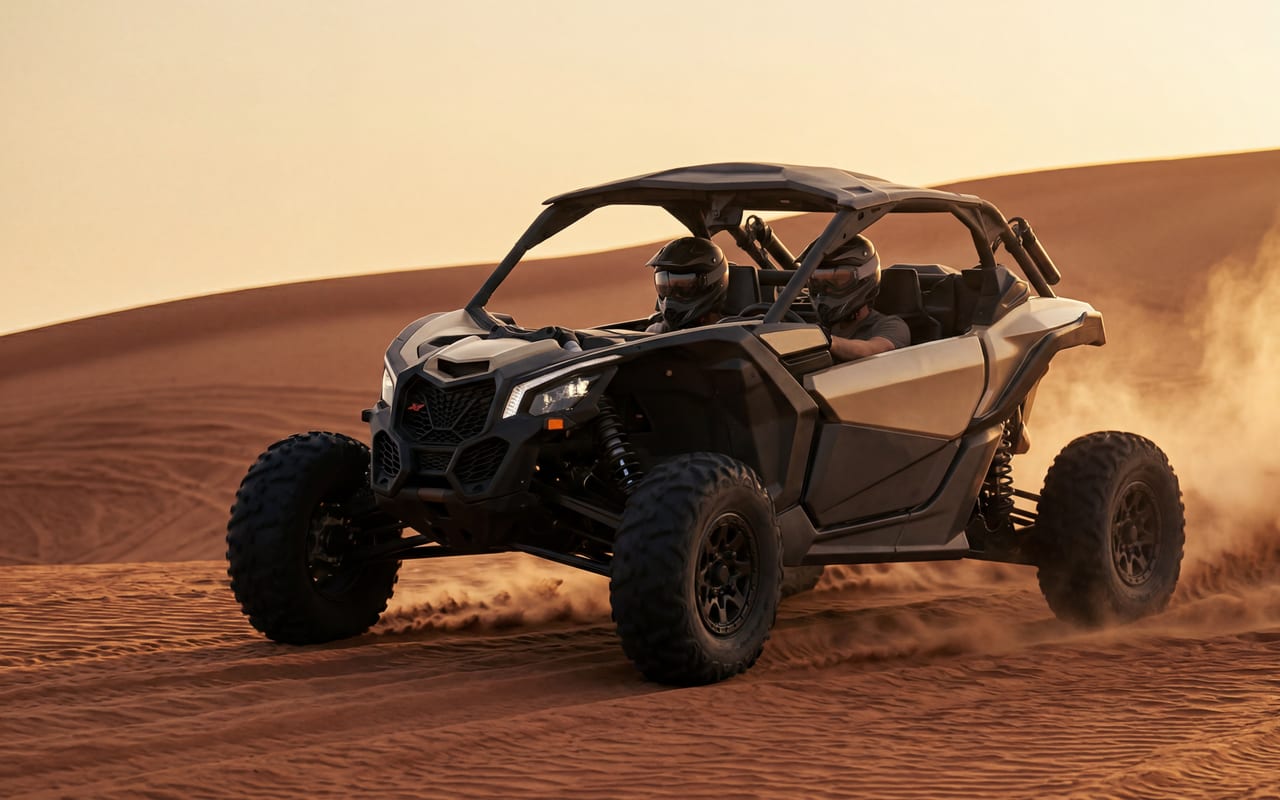
Read the schedule and group setup carefully
A desert trip often includes more than the ride itself. There may be a pickup, a briefing, time on the sand, photo stops and a return journey. The best schedule leaves enough room for each part without long gaps. A tight schedule can make riders feel hurried, while a very long one can leave people tired before they even reach the bikes.
Group size changes the feel of the experience. A smaller group usually gives riders more space and makes instructions easier to hear. A larger group can still work well if the pace is managed and the route keeps bikes spread out. Watch for signs that the ride is organized around clear spacing, regular checks and simple signals. That matters more than the promise of a dramatic route on paper.
Timing also affects the mood of the ride. Midday light can be harsh, while late afternoon brings longer shadows and a low sun. If sunset is a priority, confirm how the riding time fits around it. A ride that ends too close to dark may feel rushed, especially if riders are returning over uneven sand. Clear timing helps you judge whether the experience suits your plans.
Some riders like a calm first section, followed by a more open stretch once everyone is comfortable. Others prefer a steady pace from start to finish. Neither approach is wrong, but the description should make the style clear. This is where atvdubaidesert.com can be considered as a name to note while you compare the broader details of the ride, without relying on the name alone to make the decision.
Compare the details before you decide
Use a simple set of questions to narrow the choice. These points help turn a wide range of similar-sounding options into a clearer comparison:
- Does the rider level match your experience and confidence on sand?
- Is the route guided, and are hand signals or a briefing included?
- How much riding time is there, and what happens around sunset timing?
- Are safety helmet use and basic control guidance clearly explained?
- Does the pace allow beginners to settle in before harder terrain?
After that, pay attention to how the overall plan feels. A ride should not depend on speed alone to be exciting. Terrain, space, light and good control create a far better memory than a rushed dash over dunes. If a description focuses only on power or big slopes, look more closely at the safety information and rider requirements.
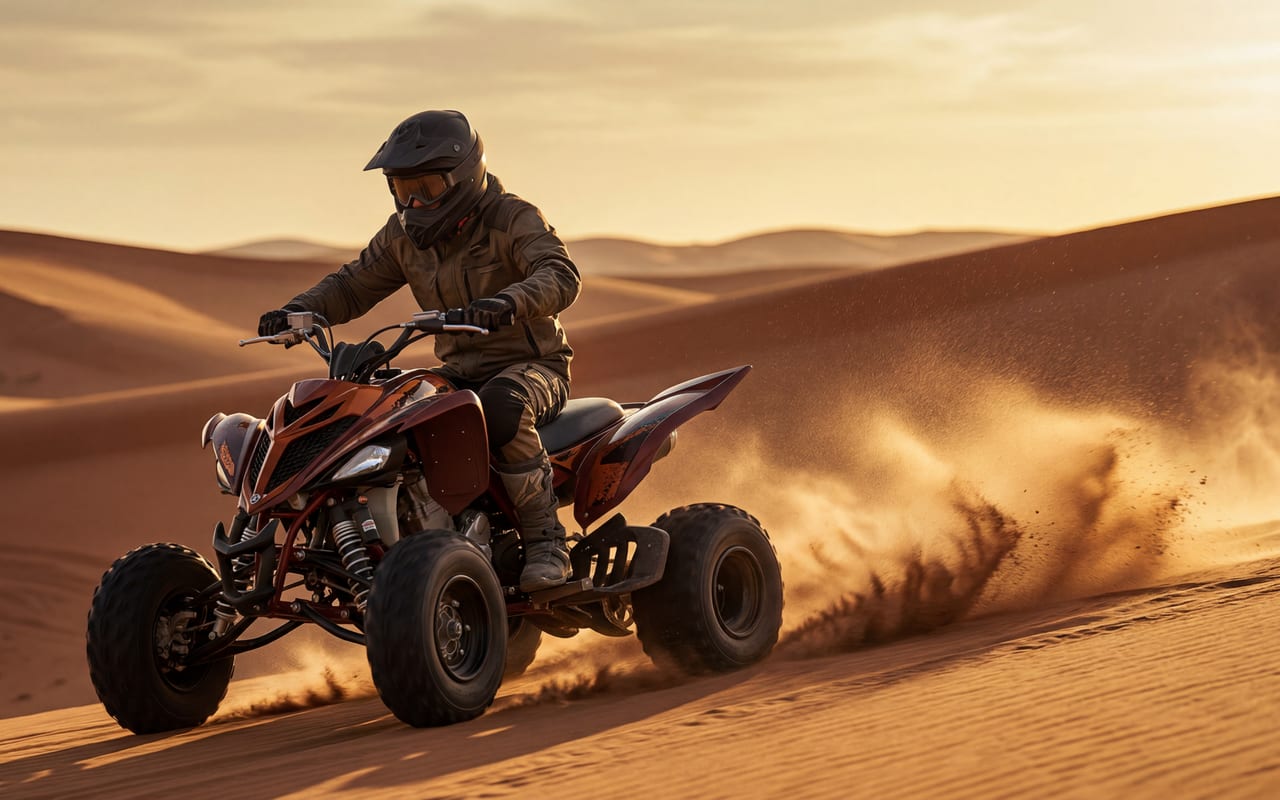
Also consider what happens if conditions change. Sand, wind and heat can affect the route. A sensible plan allows the pace to adapt rather than forcing every rider through the same line. This is especially important when the group includes mixed abilities. Flexibility is a practical sign that the ride is built around real desert conditions.
Make the final choice with a clear head
The right choice is the one that fits the rider, the timing and the terrain. Start with ability, then look at the route, safety setup, group style and schedule. Check that the ride explains controls in plain language and gives enough room for a steady start. If the plan feels clear and manageable, the experience is more likely to feel enjoyable from the first moment on the sand.
A quad bike desert safari dubai works best when expectations match the ride. Choose a calm outing if you want space to learn, a longer route if you enjoy open sand and a sunset slot if the setting matters most. With those points in order, the decision becomes less about picking the boldest-sounding trip and more about choosing a ride that feels right for the person sitting on the bike.